

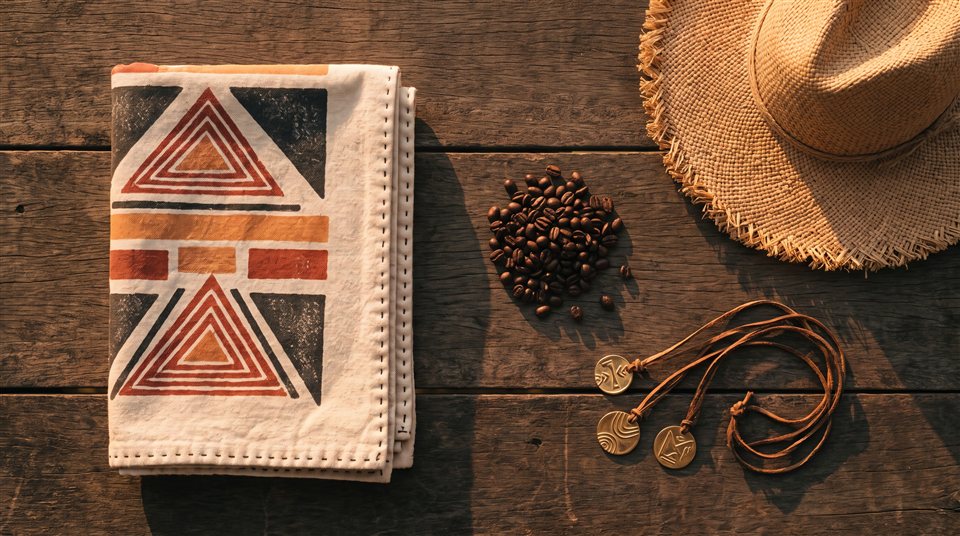
Walk into most souvenir shops in Panama City and you will see the same dozen items on repeat. Here is the uncomfortable part: most of them were not made anywhere near here. It is worth knowing what really has roots in this country, made by people who are still making it today, not for a factory catalogue.
Molas
These are textile panels stitched by hand by Guna women from the Guna Yala islands, off the Caribbean coast. Layers of coloured cloth are cut and sewn back onto themselves, so the pattern comes from what has been cut away rather than what has been added on top. It is the opposite of embroidery, if you want the short version.
A real one takes weeks to make. If you find one for three dollars, it was printed, not sewn. Turn it over. The stitching on the back does not lie, even when the seller does.
Geisha coffee from Boquete
Grown in the highlands of Chiriquí, geisha coffee has broken world auction records more than once. That sounds like marketing until you taste it. It comes from a small handful of farms on the slopes around Boquete, and it does not need the hype. It earns it.
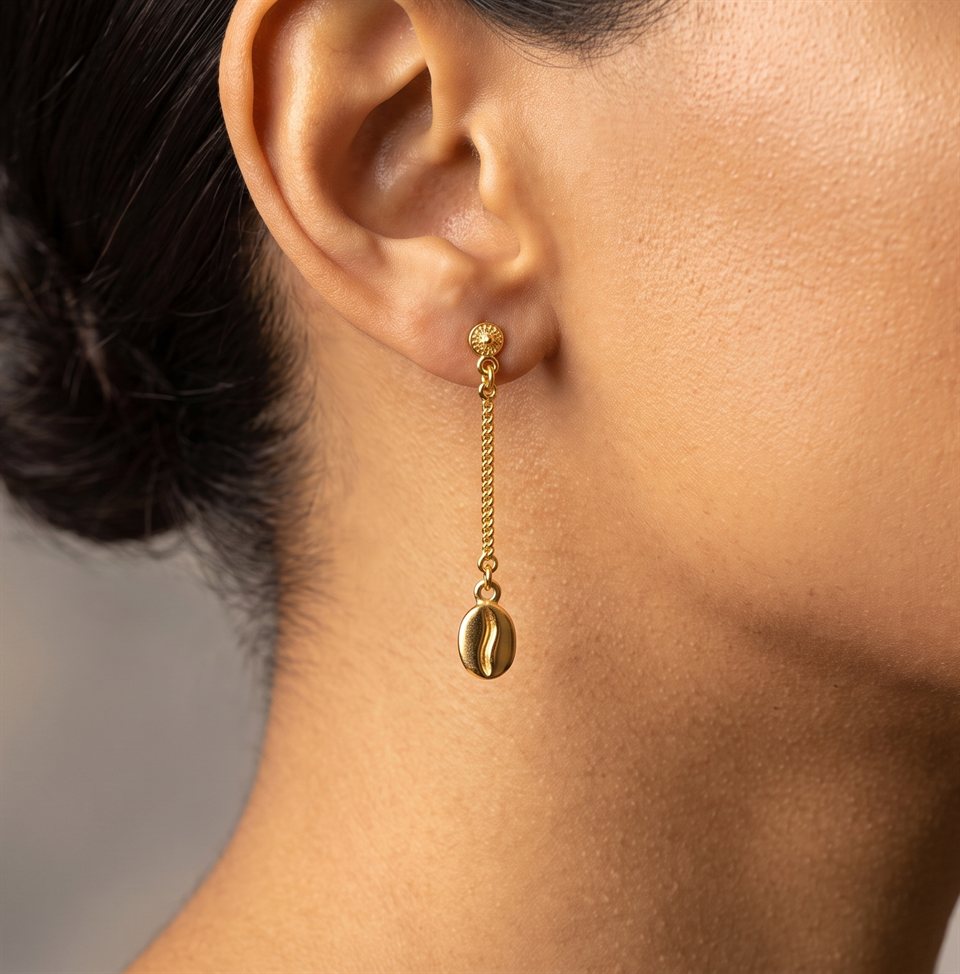
Buy it whole, never ground, and check the harvest year on the bag. The roasters who know what they are doing always print it.
Panama hats, with a big asterisk
They are Ecuadorian. The name stuck because they were shipped through Panamá while the canal was being built and the workers wore them, so the geography beat the actual origin. Panamá does have its own hat, the sombrero pintao, woven on the Azuero peninsula and recognised by UNESCO. That is the one that is really from here, and almost nobody asks for it by name.
Ask what the piece represents. If nobody in the shop can answer, that is your answer.
Pre-Columbian jewelry
This is the one category where the isthmus has no competition. The goldsmiths of Gran Coclé, the Diquís of Costa Rica, and the Zenú and Tairona of Colombia made work that museums around the world still compete for.
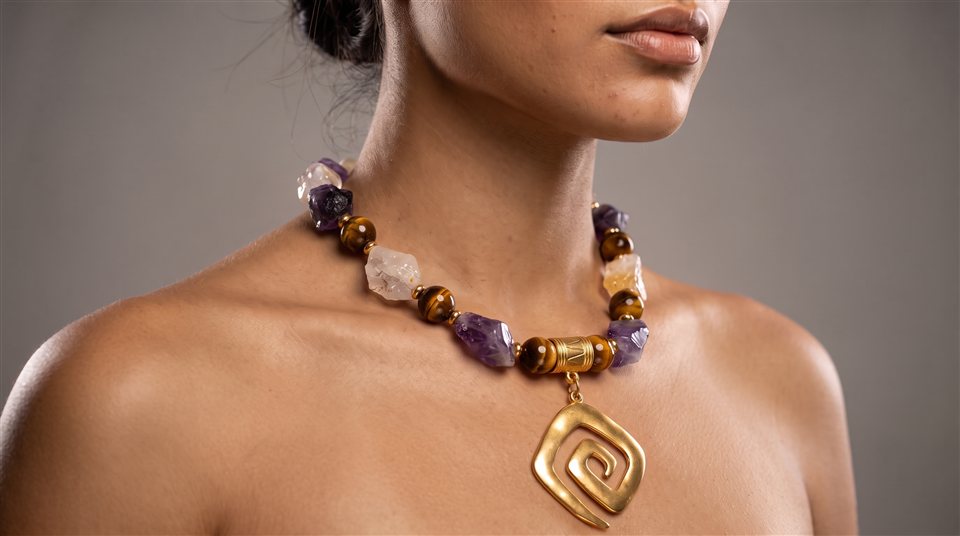
What is made today repeats those same symbols: the golden frog, the greca spiral, the crescent nariguera. The question that matters is whether the symbol survived intact and correctly explained, or whether it was smoothed into a generic tribal shape that a machine in another country could have stamped out just as easily.
Ask what the piece represents. If nobody can tell you, put it down. Not to be difficult, simply because you deserve a real answer.
What to skip completely
Anything sold as an authentic pre-Columbian artefact. Real archaeological objects cannot legally leave Panamá, and exporting them is a crime. So whatever is being offered to you as ancient is either a replica or a problem you do not want to carry through customs.
A replica sold honestly as a replica is a perfectly good thing to take home. It is the word authentic attached to it that should make you put it back.