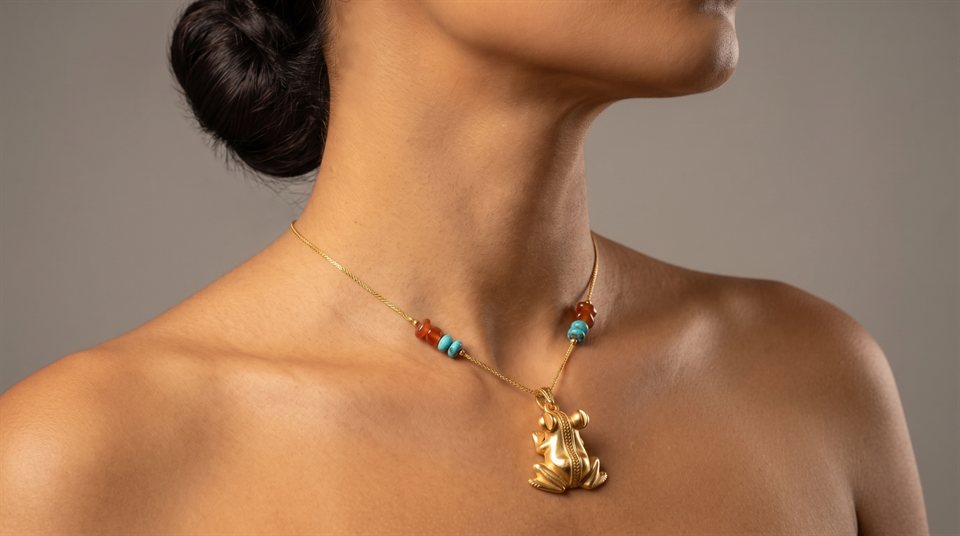

Ask anyone in Panamá what the golden frog means and you will get one word back: suerte, luck. It is on lottery tickets, in shop windows and cast into charms sold from one end of the country to the other. It even has its own national day.
What usually gets left out of that conversation is that the animal itself, out in the forest, is effectively gone.
The charm came first
Long before it became a mascot, the frog was a message with a very specific job. The goldsmiths of Gran Coclé cast it into huacas, small charms worn against the skin, because the frog shows up just before the rain does. In a farming society, that timing was worth more than the gold itself.
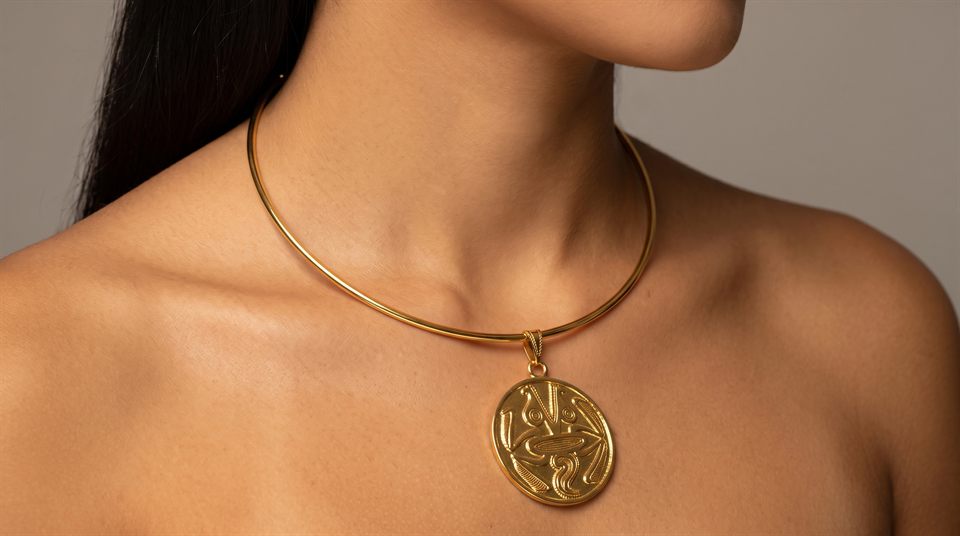
Wearing one meant asking for a good season and keeping the drought a little further away. The luck people still attach to it today is what is left of that older, far more practical hope, worn smooth over a few thousand years.
The animal itself
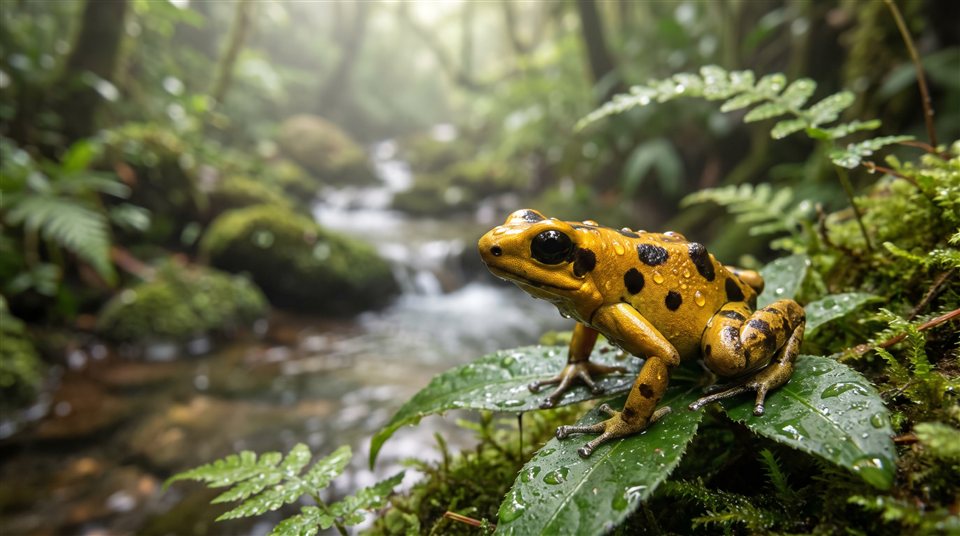
The Panamanian golden frog, Atelopus zeteki, lives in the cloud forests near El Valle de Antón. Or rather, it lived there, and that past tense matters. It is bright yellow and small enough to sit in your palm, and it does something almost no other frog does. It waves. The streams it lives beside are too loud for calling to work, so it signals with a front leg instead.
Then, in the late 1990s and the 2000s, the populations collapsed. A fungal disease tore through amphibians worldwide, and habitat loss did the rest. Nobody has confirmed a sighting in the wild since 2009.
A national symbol of good luck that ran out of its own.
It survives, just not out there
The species holds on in conservation programmes in Panamá and abroad, where captive populations are bred against the day someone works out how to release them into a forest that will not simply kill them again. The work is slow and uncertain. The fungus has not gone anywhere.
National Golden Frog Day falls every 14 August. These days it is less a festival and more a quiet campaign to keep the species from being forgotten before it can be saved.
Why we still cast it
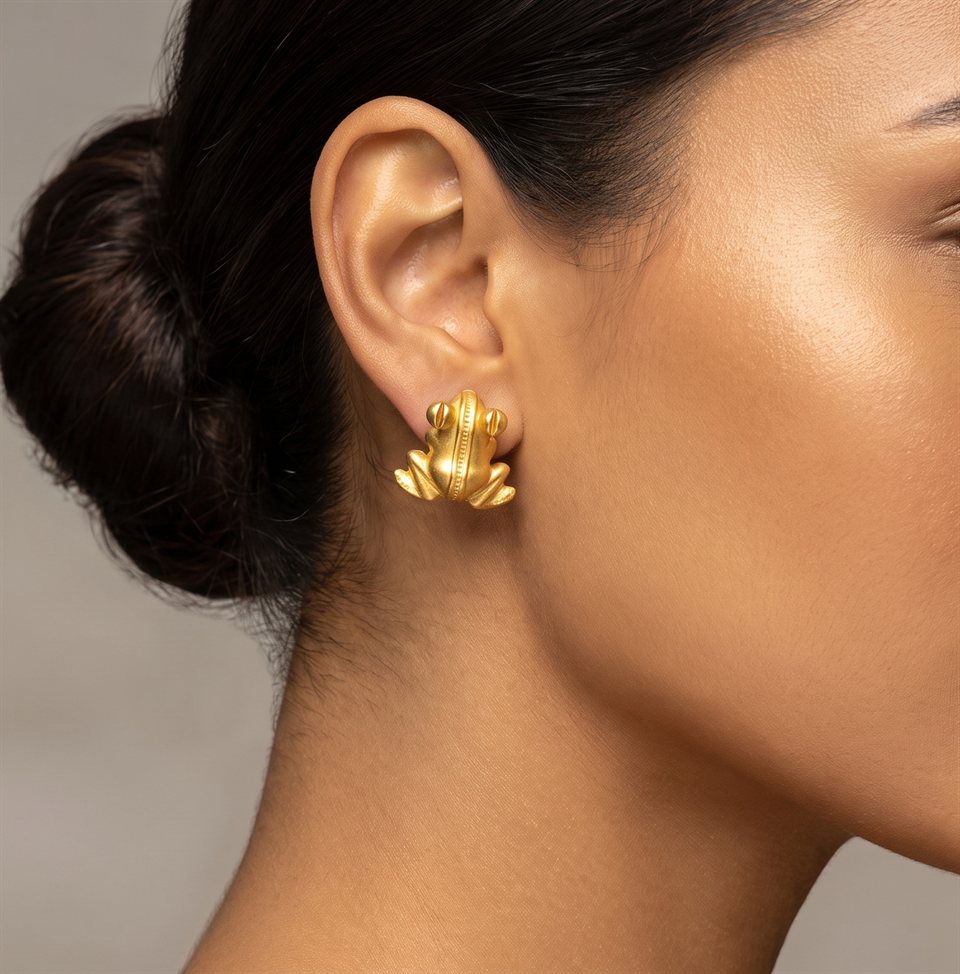
There is something genuinely uncomfortable about a national good luck symbol that ran out of its own. But this frog has been cast in gold on this land for well over a thousand years, long before anyone thought it needed protecting, and the shape has not lost what it meant.
If a small gold frog on someone's chest starts even one conversation about why the real one disappeared, that is not a bad thing to ask of a piece of jewelry.